
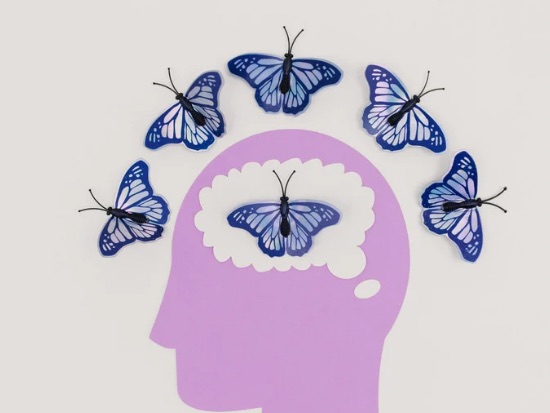
Nature provides free First Aid for burnout
When your brain feels exhausted by the demands of ‘being on task’, your ability to think becomes slower and your body becomes more sluggish.
We all know that feeling, but did you know that getting outdoors into nature is one of the best ways to restore your equilibrium and energy levels? Engaging with some nature connection is free, providing first aid for low feelings and mental exhaustion/burnout.
Here’s what happens when we focus on tasks for too long
When we’re focused on a task, it’s known as “directed attention”; a requirement of concentration for studying, engaging with screen time, even internet shopping. When a person overwork’s their directed attention, or is put under pressure to do so, the result is often deterioration of both cognitive performance and emotional regulation.
In more scientific terms, directed attention is basically what’s defined as our brain’s ‘frontal lobes executive function’; what’s needed when we have to really focus on something.
When we exceed our capacity for directed attention the result is loss of focus and concentration, reduction in ability to solve problems or engage in creative thinking, leading to irritability and reduction in self-control

How to recover your equilibrium and energy
A theory called Attention Restoration Theory (Rachel and Stephen Kaplan) proposed, back in the 1980s, that nature is the most effective environment to help our brain recover from mental and physical fatigue and exhaustion. However, as we live in a society where being indoors rather than outdoors is much the preferred norm, people all too often pursue ways to unwind and relax that are more sedentary than if they got themselves outdoors for some quality time spent in a nature environment.

Do you act on the signs you need to take a break?
Adults may well recognise they need to ‘take a break’ and go for a run or to the gym. Others may choose to restore their mental and emotional equilibrium through use of cigarettes, vaping, alcohol, shopping, watching TV or gaming.
Children on the other hand are less likely to recognise that their ‘directed attention’ battery is low, resulting in emotional overwhelm, all too often accompanied by loss of confidence in their ability to complete a task that’s being asked of them.
Cue….the child’s motivation exiting stage left…
I’m not going to enter the ongoing ‘suitability of educational provision’ debate here, but simply put – adults it could be argued are generally more cognitively aware of the need to seek restoration from depleted “directed attention”, whereas children can all too often develop a belief that ‘failure’ to stay on task defines them as a person, leading to loss of confidence and self-esteem.
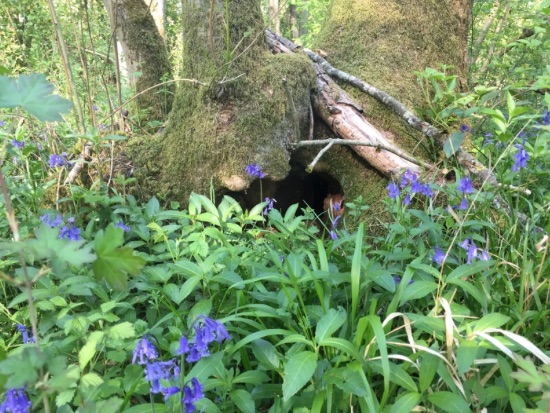
The ways in which spending time in nature is restorative
According to Attention Restoration Theory (ART), time spent in nature environments helps soothe mind and body. Our senses are engaged by what Kaplan labelled “soft fascination”, encompassing aspects of nature such as the sounds of birdsong or perhaps scents associated with the season, or the sight of whatever delights a particular natural environment has to offer.
In seeking to define the various aspects of the natural environment, the brain is focused on the task that requires more of a gentle awareness (soft fascination) than focused ‘direct attention’, allowing the brain to relax and recharge. This happens simply through the act of connecting with the environment, whether that be the breeze blowing through the trees, flowing water, or maybe birdsong.
It’s been scientifically proven that just 2 hours a week spent outdoors in a nature environment can refresh us, restoring mental energy for tasks requiring directed attention.
How Attention Restoration theory works in practice
Over the next few blog posts I’m going to be exploring the effects of overworked directed attention through sharing case-studies of adults and children I have worked with (all names changed to protect identities). I hope these studies will not only be interesting to read but also prompt you to consider your own life experience, in connection with Attention Restoration Theory.
Why not discover more about our pathways to wellbeing through nature connection. Whether you’re looking for something once a week, for a couple of hours, or a more formal therapeutic intervention is required, we have a range of options to offer.
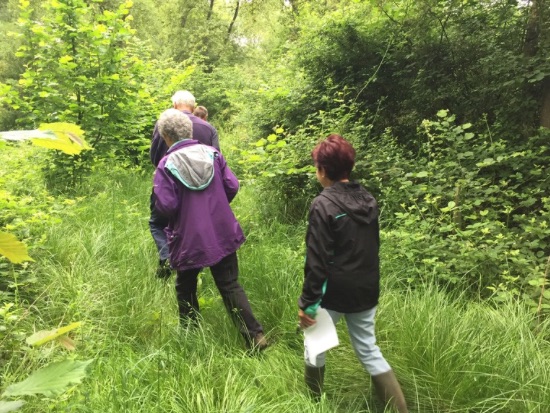
Spending time in our tranquil 20-acre ancient woodland in East Northamptonshire is a joy in itself; a wild and natural place where the pathways are made by the animals that live there.
Follow the link below to find out more.
Recent Comments